
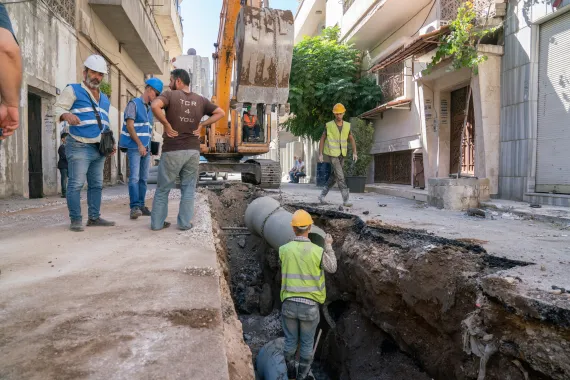
”A proper sanitation setup is essential when navigating the complexities of infill residential construction in tight neighborhoods”. In such environments, where space is at a premium, establishing a temporary toilet setup becomes essential. These limitations often dictate the functionality and aesthetics of a project. Factors such as zoning regulations, neighboring structures, and environmental concerns can significantly influence layout and material choices.For instance, using flexible furniture or built-in storage can allow usability without compromising on style. Ultimately, embracing these challenges by thoughtfully addressing site constraints not only enriches the design process but also elevates the end-user experience.
Table of Contents
Understanding Site Constraints in Tight Spaces
Key Sanitation Requirements for Construction
Planning Temporary Sanitation Facilities
Waste Management Strategies for Residential Sites
Best Practices for Hygiene Compliance
Community Considerations and Communication
Environmental Impact and Sustainability Solutions
Ensuring Effective Sanitation Practices
Understanding Site Constraints in Tight Spaces
When tackling the challenge of designing in tight spaces, understanding site constraints becomes essential. These limitations often dictate the functionality and aesthetics of a project. Factors such as zoning regulations, neighboring structures, and environmental concerns can significantly influence layout and material choices. For instance, using flexible furniture or built-in storage can enhance usability without compromising on style. Ultimately, embracing these challenges by thoughtfully addressing site constraints not only enriches the design process but also elevates the end-user experience.
Key Sanitation Requirements for Construction
Key sanitation requirements for construction sites are essential not only for compliance with health regulations but also for the safety and well-being of workers. First and foremost, adequate access to clean drinking water is crucial. Construction sites should provide fresh water stations to ensure hydration is convenient and accessible, helping to prevent heat-related illnesses. These facilities should be strategically placed to minimize travel time and ensure they are readily available to all workers
Planning Temporary Sanitation Facilities
When planning temporary sanitation facilities, key considerations include location, accessibility, and user capacity. Positioning these facilities near high-traffic areas, while ensuring they comply with local regulations, can optimize their usage. Additionally, understanding the demographics of the expected users aids in determining the number of units required, as well as their design features, such as ADA compliance. Finally, it’s essential to establish a regular maintenance schedule, ensuring facilities are clean and functional, which ultimately fosters user confidence and safety in temporary setups.
Waste Management Strategies for Residential Sites
Waste Management Strategies for Residential Sites have evolved to become more sustainable and efficient. One innovative approach is the implementation of a source separation system, where residents categorize their waste into recyclables, organics, and general waste. By providing clear guidelines and easy-to-use color-coded bins, communities can foster a culture of responsibility and awareness around waste disposal.Emphasizing collaboration, local governments can partner with residents to develop waste reduction initiatives that not only save costs but also contribute to a cleaner environment.
Best Practices for Hygiene Compliance
Ensuring the highest standards in hygiene compliance is essential for any establishment, particularly in the food and healthcare sectors. One effective strategy involves implementing regular training sessions for staff, emphasizing not only procedures but also the rationale behind them. Investing in high-quality sanitation products and maintaining proper inventory levels also play a crucial role in ensuring that compliance is not only adhered to but is also sustainable over time. By embracing these best practices, organizations can enhance their hygiene standards, ultimately leading to a safer and healthier environment for everyone involved.
Community Considerations and Communication
Community considerations are essential for fostering a healthy and vibrant neighborhood. They encompass the social, economic, and environmental factors that affect residents’ quality of life. Understanding the unique needs of diverse community members facilitates more inclusive decision making. Transparent dialogues encourage trust and collaboration between residents and local authorities. Utilizing various communication channels like community forums, newsletters, and social media can help bridge gaps between different demographic groups.
Environmental Impact and Sustainability Solutions
The environmental impact of human activities is becoming increasingly evident, as ecosystems face unprecedented challenges from pollution, resource depletion, and climate change. From renewable energy sources, like solar and wind, to sustainable farming practices that enhance biodiversity, these solutions can help mitigate the adverse effects we’re witnessing.
Innovative technologies, such as carbon capture and wastewater recycling, are leading the charge in transforming industries and encouraging responsible usage of resources. By rethinking consumption patterns and embracing circular economy principles, we can create a vibrant future where environmental health and economic stability coexist harmoniously.
Ensuring Effective Sanitation Practices
Ensuring effective sanitation practices is crucial for public health and the environment. Proper sanitation not only prevents the spread of diseases but also promotes a cleaner and more sustainable community.Community education plays a pivotal role in these practices. By training individuals on proper waste disposal, handwashing techniques, and safe water use, we empower them to take ownership of their health and surroundings.The collective effort of informed individuals can lead to a remarkable transformation in public health standards and environmental resilience.
Conclusion
In conclusion, the implementation of effective sanitation setups for infill residential construction not only enhances the quality of life for current residents but also ensures a sustainable future for the entire community. By prioritizing proper waste management and water systems, builders can minimize environmental impacts while providing essential services. Collaboration among developers, and residents is crucial to design systems that are both efficient and culturally sensitive. It’s important to engage with stakeholders early in the planning process and consider innovative solutions tailored for tight urban spaces.
FAQs
What is infill residential construction?
Infill residential construction refers to building new homes on vacant or underutilized land within existing neighborhoods. This helps to optimize urban space and promote community growth.
Why is sanitation setup important in tight neighborhoods?
Sanitation setup is crucial for preventing health hazards, maintaining hygiene, and ensuring that the community remains clean during construction. It minimizes disruptions and keeps the area safe for residents.
What sanitation measures should be taken during construction?
Key measures include providing portable toilets, establishing designated waste disposal areas, and implementing regular cleaning schedules to manage debris and odors effectively.
4. How can construction projects minimize their environmental impact?
Using eco-friendly materials, recycling waste, and ensuring proper drainage can help reduce the environmental footprint of a construction project while promoting sustainability in the neighborhood.
5. What are the local regulations regarding sanitation during construction?
Each area may have specific regulations regarding waste management, sanitation facilities, and construction practices. It’s essential to consult local authorities or guidelines to ensure compliance.
6. How can neighbors be informed about the sanitation plan?
Communication is key! Utilizing community boards, flyers, and neighborhood meetings can keep residents informed about sanitation measures, project timelines, and how to report any issues.
What should I do if there are sanitation issues during construction?
If you encounter any sanitation problems, contact the construction site manager or local authorities right away. Prompt reporting can help address issues before they escalate.
Are there any benefits to a well-planned sanitation setup?
”Absolutely! A well-planned sanitation setup ensures a smoother construction process, enhances worker safety, protects the surrounding environment, and helps maintain a clean and healthy neighborhood.”
Leave a Reply
You must be logged in to post a comment.