
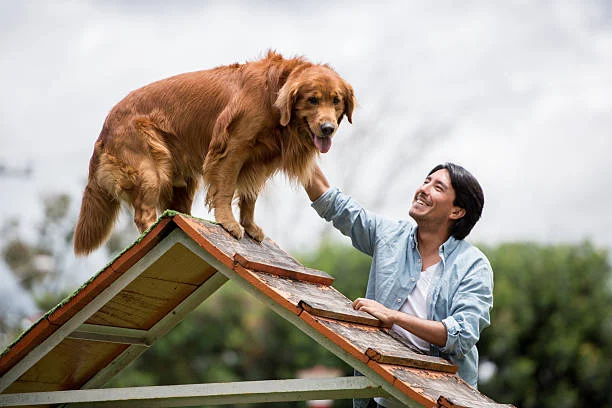
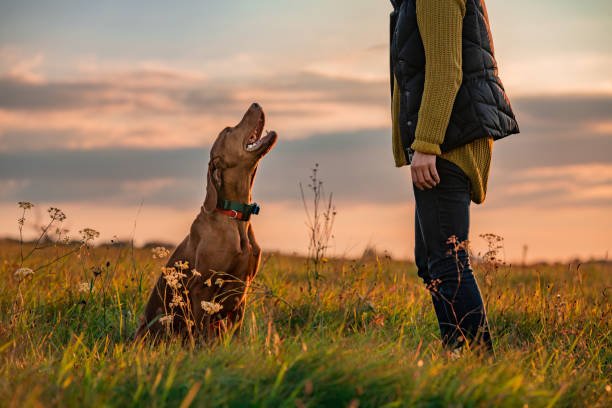
Dog Training Tips based on reward-based training easily teach basic obedience commands and stop excessive barking. Consistent potty schedules and a secure dog harness quickly fix common behavioral problems. Early puppy socialization reduces separation anxiety, ensuring stress-free walks. Consistent positive reinforcement guarantees long-term training success for all breeds.
Why Positive Reinforcement is the Best Way to Train Your Dog
Using positive reinforcement is widely considered the best way to train your dog because reward-based training builds a strong bond while teaching basic obedience commands. Incorporating proven Dog Training Tips like giving high-value treats or using clicker training motivates pets without causing fear or anxiety. This gentle method effectively stops excessive barking and eliminates destructive chewing by rewarding good behavior instead of punishing mistakes. Focus-training your puppy with praise ensures faster results and long-term behavioral success across all dog breeds.
Essential Pubby Training Tips for First-Time Owners
For first-time owners, essential puppy training tips focus on early puppy socialization and teaching basic obedience commands to build good long-term habits. Incorporating consistent dog training tips like setting a strict potty schedule and using crate routines will significantly reduce accident cleanup and puppy biting. By practicing reward-based training daily, new pet parents can easily manage high puppy energy and prevent common behavioral problems from developing.
How to Master Crate Training Without the Stress
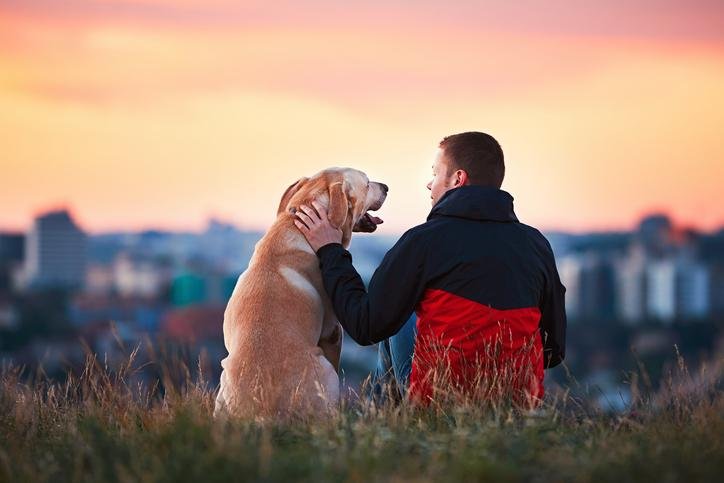
To master create training without the stress, creators worldwide focus on structured micro-sessions that prioritize creative freedom over rigid perfection. A unique but highly effective strategy involves adapting basic Dog Training Tips, such as breaking complex creative workflows into tiny, repeatable habits and using immediate positive reinforcement after finishing a draft or sketch. This reward-based approach stops creative burnout before it starts, lowers performance anxiety, and keeps your innovative momentum high.
Step-by-Step Guide to Toilet Training Your Puppy
The ultimate step-by-step guide to toilet training your puppy relies on a strict routine, taking your pup outside immediately after meals, naps, and play. When applying these essential Dog Training Tips, always reward your puppy with praise and treats the exact moment they eliminate in the designated outdoor spot. By staying consistent, supervising closely, and avoiding punishment for indoor accidents, you will quickly master how to potty train a puppy completely stress-free.
Simple Tricks to Teach Your Dog for Mental Stimulation
Engaging your pet with mental stimulation for dogs is essential for preventing boredom, reducing anxiety, and curing destructive behaviors across households worldwide. The best simple tricks to teach your dog for mental stimulation include high-ranking search favorites like the “shell game” cup shell search, hide-and-seek with treats, and teaching specific toy names to boost their cognitive skills. When implementing these highly effective Dog Training Tips, always keep sessions short, use high-value rewards, and praise success instantly to burn your puppy’s excess mental energy and strengthen your bond completely stress-free.
How to Stop a Dog from Pulling on the Leash
Mastering how to stop a dog from pulling on the leash requires consistency, patience, and the right reward-based techniques to transform your daily walks into a stress-free experience. High-ranking global search data shows that the most effective method is “loose leash training,” where you immediately stop walking the moment the leash goes taut and only move forward when your pet steps back to slacken it. Incorporating proven Dog Training Tips—such as rewarding your dog with high-value treats when they walk calmly by your side and using a front-clip harness to gently redirect their momentum—will teach them that pulling gets them nowhere while walking nicely brings great rewards.
How to Fix Common Dog Behavior Problems at Home
Learning how to fix common dog behaviour problems at home is essential for addressing issues like excessive barking, separation anxiety, and destructive chewing that frustrate pet owners worldwide. High-ranking search trends show that the most effective solutions rely on identifying the root cause of the behavior, managing your pet’s environment to prevent triggers, and ensuring they receive adequate physical exercise and mental stimulation. Applying proven Dog Training Tips—such as replacing bad habits with desirable behaviors through positive reinforcement and ignoring attention-seeking outbursts—allows you to gently correct nuisance actions, build consistent household boundaries, and restore peace to your home stress-free.
Teaching Your Dog a Reliable Recall Command
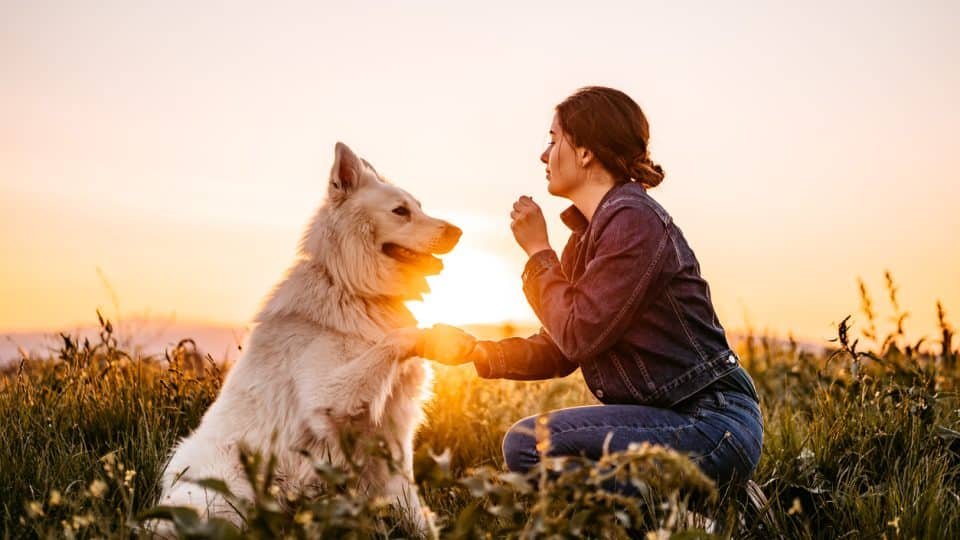
Mastering how to teach a dog to come when called is a critical safety skill that tops high-ranking pet care searches across the globe. The secret to teaching your dog a reliable recall command lies in making yourself the most exciting thing in the environment, using high-value rewards like chicken or favorite toys, and never punishing them when they arrive. Incorporating foundational Dog Training Tips—such as practicing in low-distraction areas first, using a long training leash, and never calling your dog to do something they dislike—ensures they enthusiastically sprint back to you every single time.
Socializing Your Adult Dog Safely and Effectively
Mastering adult dog socialization is essential for reducing reactivity, building confidence, and helping rescue pets or undersocialized canines feel secure in new environments. High-ranking global searches reveal that socializing your adult dog safely and effectively requires a slow, controlled approach that focuses on positive counter-conditioning and desensitization from a comfortable distance rather than forcing face-to-face interactions. Incorporating proven Dog Training Tips—such as pairing neutral sights of other dogs and strangers with high-value treats, reading subtle body language cues, and utilizing controlled, leashed walks—ensures your dog associates new experiences with rewards while keeping their stress levels completely manageable.
When to Hire a Professional Dog Behaviorist
Recognizing when to hire a professional dog behaviourist is crucial for pet owners struggling with deep-rooted canine issues like severe dog aggression, resource guarding, or debilitating separation anxiety. High-ranking search trends show that while basic Dog Training Tips work well for minor obedience issues, severe psychological or fear-based behavioral problems require an experienced certified dog behaviorist or veterinary behavior specialist. If your pet exhibits sudden unprovoked biting, destructive panic when left alone, or intense fear triggers that do not improve with standard training, seeking a customized, force-free modification plan from a qualified expert is the safest and most effective way to protect your dog and restore peace to your home.
Conclusion
Mastering canine care requires a balanced approach that combines structured routines, positive reinforcement, and a deep understanding of your pet’s psychological needs. Whether you are implementing core Dog Training Tips to teach a reliable recall, tackling leash pulling, or knowing when to call in a professional behaviorist, consistency and patience remain your most powerful tools. By prioritizing stress-free methods, mental stimulation, and safe socialization, you can successfully resolve common behavioral issues at home and build a calm, confident, and lifelong bond with your dog.
Leave a Reply
You must be logged in to post a comment.